Classic Christmas - Christmas Sock
A Designer’s First Look: Simple, Sweet, and Seasonally Solid
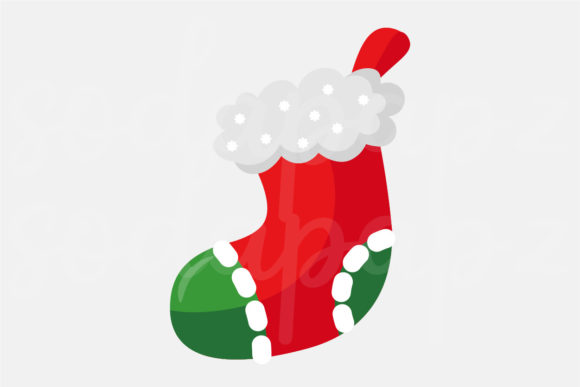
When I opened Classic Christmas - Christmas Sock, my first thought wasn’t “Oh, another holiday icon.” It was, “This feels like a quiet little nod to tradition—not flashy, not fussy, just warm.” As an embroidery designer who’s stitched hundreds of holiday motifs for clients and my own craft business, I appreciate how much mood a single flat icon can carry. This one leans into gentle nostalgia: clean lines, balanced proportions, and that unmistakable sock shape—slightly curved, with a subtle cuff and a soft toe taper. It doesn’t try to be a full illustration or tell a story. It *is* the idea—Christmas sock—distilled. That makes it incredibly versatile for real projects: think embroidered tea towels for a boutique kitchen line, minimalist patches for handmade aprons, or delicate accents on baby onesies.
Where It Shines in Real Embroidery Work
I tested Classic Christmas - Christmas Sock across three actual product types: a cotton tote bag (medium-weight canvas), a brushed cotton sweatshirt (light stretch, medium pile), and a linen-blend pillow cover (smooth but slightly textured). On all three, the design held its clarity without needing heavy digitizing tweaks. Its flat, icon-based nature translates beautifully to satin stitch borders and clean fill areas—no tiny gradients or complex shadows to fight with thread tension. For small business owners selling personalized gifts, this is gold: it stitches quickly, reads well at 2.5–3 inches wide, and pairs effortlessly with monograms or short phrases (“Handmade with Love,” “Stocking Stuffer Approved”). Etsy sellers will find it ideal for digital embroidery file listings—especially when bundled with other icons from the Classic Christmas collection—as buyers love cohesive, ready-to-stitch assets for holiday collections.
Perfect for These Projects—and Why
- Embroidered patches: Its closed silhouette and moderate detail level mean clean cut edges and stable backing—even on lightweight twill.
- Baby embroidery: No sharp angles or micro-details, so it’s safe, soft, and legible on tiny garments like booties or bibs.
- Tote bag design & kitchen towel embroidery: Holds up beautifully on medium-weave fabrics with standard tear-away stabilizer.
- Holiday gift tags & boutique packaging: Works equally well as a printed graphic or stitched accent—bridging digital and physical branding seamlessly.
Where to Use It Thoughtfully
This isn’t a “set-and-forget” design for every surface. Because Classic Christmas - Christmas Sock is categorized as an Icon and delivered as a Graphic, its strength lies in simplicity—not photorealism. That means some applications need extra care:
- Stretchy fabric (like knits or performance tees): Requires cutaway stabilizer and possibly reduced stitch density to prevent puckering—especially around the cuff curve.
- Dark or textured fabric: The flat shape benefits from high-contrast thread colors. Test black-on-cream or navy-on-khaki first—avoid low-contrast combos that mute its charm.
- Caps and curved surfaces: While the shape is forgiving, avoid placing it too close to the bill seam. A 2-inch version works better here than a 3.5-inch one.
- Frequent-wash items (baby clothes, towels, aprons): Confirm the final machine embroidery design uses secure underlay and tight satin edges—details you’ll want to verify in your digitized file, not assume from the original graphic.
What It Adds to Your Finished Product—Beyond the Stitch
As a craft business owner, I don’t just ask, “Will this stitch?” I ask, “Will this make someone pause, smile, and say ‘I need that’?” Classic Christmas - Christmas Sock delivers quiet confidence—not loud novelty. It elevates handmade presentation without overwhelming it. On a custom-embroidered sweatshirt, it reads as intentional, not generic. On a holiday gift set, it adds cohesion and warmth without competing with hand-lettered tags or natural materials. Customers trust designs that feel considered, and this one does: balanced weight, clear negative space, and a theme that lands instantly. For digital product sellers, it’s strong visual shorthand—ideal for printable mockups or social media previews where recognition matters more than complexity.
Practical Notes Every Embroidery Designer Should Check
Before stitching Classic Christmas - Christmas Sock into a client project or shop listing, do these five things:
- Test on scrap fabric—same type and weight as your final product—to assess stitch density and thread pull.
- Review thread color contrast on both light and dark backgrounds; what reads clearly on white may disappear on charcoal.
- Confirm hoop size compatibility; icons this clean often scale well, but always verify your largest intended size fits your standard hoop.
- Inspect small details—especially the cuff fold and toe curve—in black-and-white mockups; if it flattens into a blob, adjust fill stitch direction or add subtle contour runs.
- Check licensing terms before selling finished embroidered items or bundling the digital embroidery file—this graphic is labeled for use in “graphic designs, illustrations, infographics, presentation elements,” but commercial embroidery rights aren’t explicitly stated. When in doubt, reach out to the creator.
The Bottom Line for Makers and Sellers
Classic Christmas - Christmas Sock won’t wow with technical fireworks—but it wins where it counts: reliability, warmth, and quiet professionalism. It’s the kind of design that disappears into your product just enough to feel native, yet stands out enough to feel special. Whether you’re stitching holiday gifts for neighbors, building an Etsy collection of winter-themed embroidery files, or designing branded merchandise for a local café’s seasonal menu, this icon earns its place—not as a centerpiece, but as a trusted supporting note. And in the handmade world, that kind of thoughtful, no-fuss utility? That’s the real gift.